EV Chargers for Businesses — Grant-Funded, Fully Managed
Independent specialists in workplace, fleet and destination EV charging. We handle the DNO connection, load management, the Workplace Charging Scheme grant (up to £500 per socket, to 31 March 2027) and the install — so you add chargers without a costly grid upgrade.
- OZEV-authorised installers
- BS 7671 & IET Code of Practice
- WCS grant handled
- OCPP-open hardware
Your charging demand profile decides the cost — not the charger
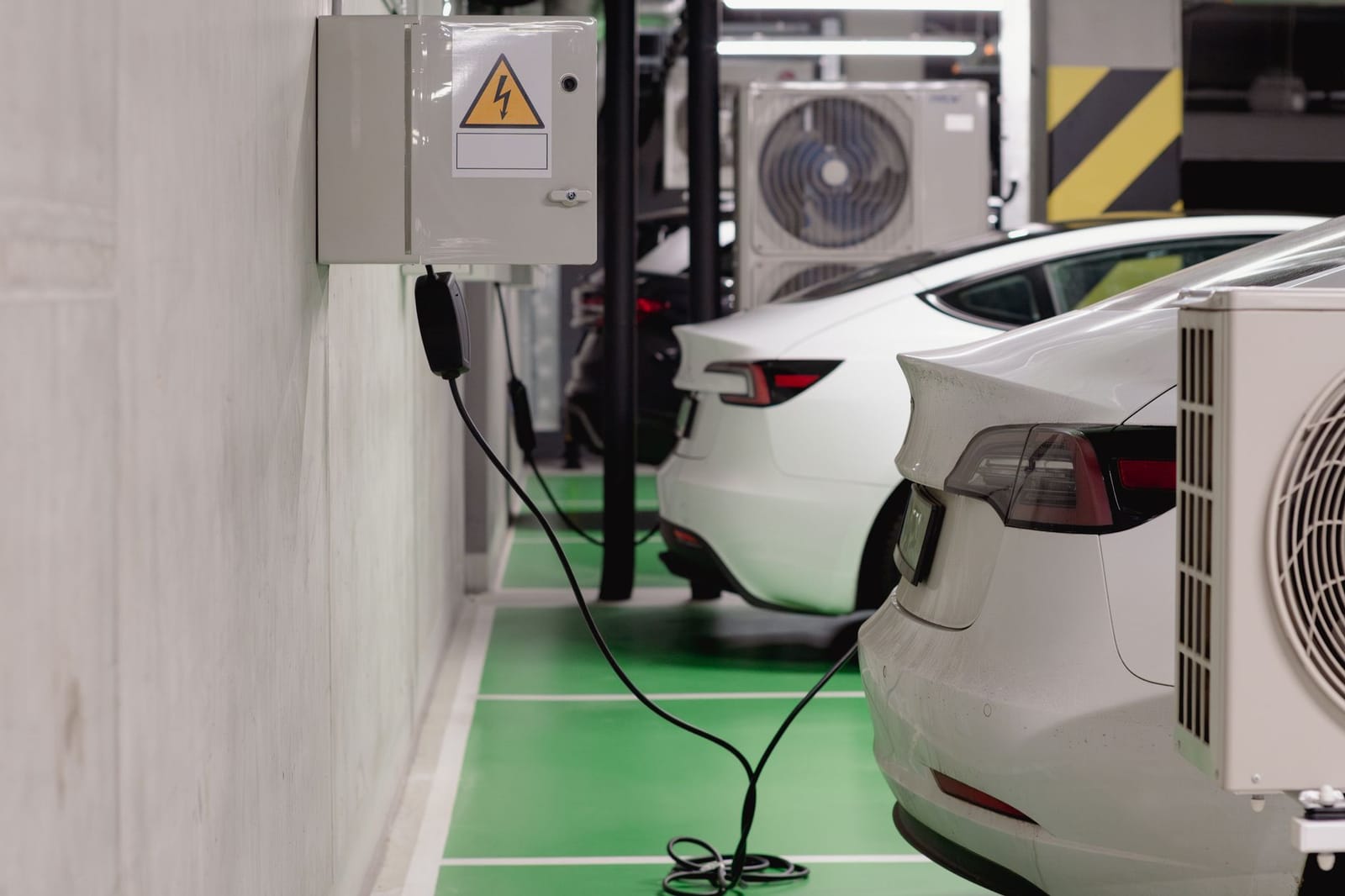
A commercial charging installation has a load profile as distinctive as any building's energy signature, and reading it correctly is what decides cost and feasibility. Workplace charging is a daytime, high-dwell load: staff arrive in a morning cluster and stay 8+ hours, so a modest 7kW socket comfortably refills a car over the working day. Fleet and depot charging is the mirror image — vehicles return to base and charge overnight, a predictable, high-simultaneity load that smart scheduling pushes onto the cheapest off-peak window. Destination charging turns on 1-3 hour dwell times and footfall.
The engineering lever is diversity: you never size a supply for every socket at full power at once. Dynamic load management shares your spare capacity across the chargers in real time, so you can fit far more sockets to your existing supply — and often avoid a slow, costly DNO grid reinforcement altogether.
- Workplace: daytime 7kW AC, ideal for on-site solar
- Fleet/depot: overnight, smart-scheduled to off-peak
- Destination: 1-3hr dwell, AC + rapid, contactless
- Load management beats a costly grid upgrade
Grant-funded, tax-relieved and cheaper per mile
From feasibility to charging in weeks, not months
We lead with the grid connection and grant — the two things that actually decide your timeline and budget.
- 01Day 1-5
Free feasibility & demand profile
We review your parking, incoming supply and spare capacity, and how many drivers — staff, fleet, visitors — need a charge and for how long. You get an indicative socket count and cost.
- 02Week 1-6
Design, DNO & grant
We size the array with load management, submit any DNO (G99) application, and handle the Workplace Charging Scheme voucher so the grant is deducted from your cost.
- 03Days to weeks
Install & connect
Civils, cabling, chargers and the load-management controller. A few 7kW units take days; larger schemes one to three weeks.
- 04On completion
Commission & back-office
We commission to BS 7671, set up OCPP billing, RFID/app access and monitoring, and hand over with a maintenance and uptime plan.
Specialists across every business charging use case
Each has its own sizing, grant, compliance and cost profile. Pick yours.
Workplace & employee charging
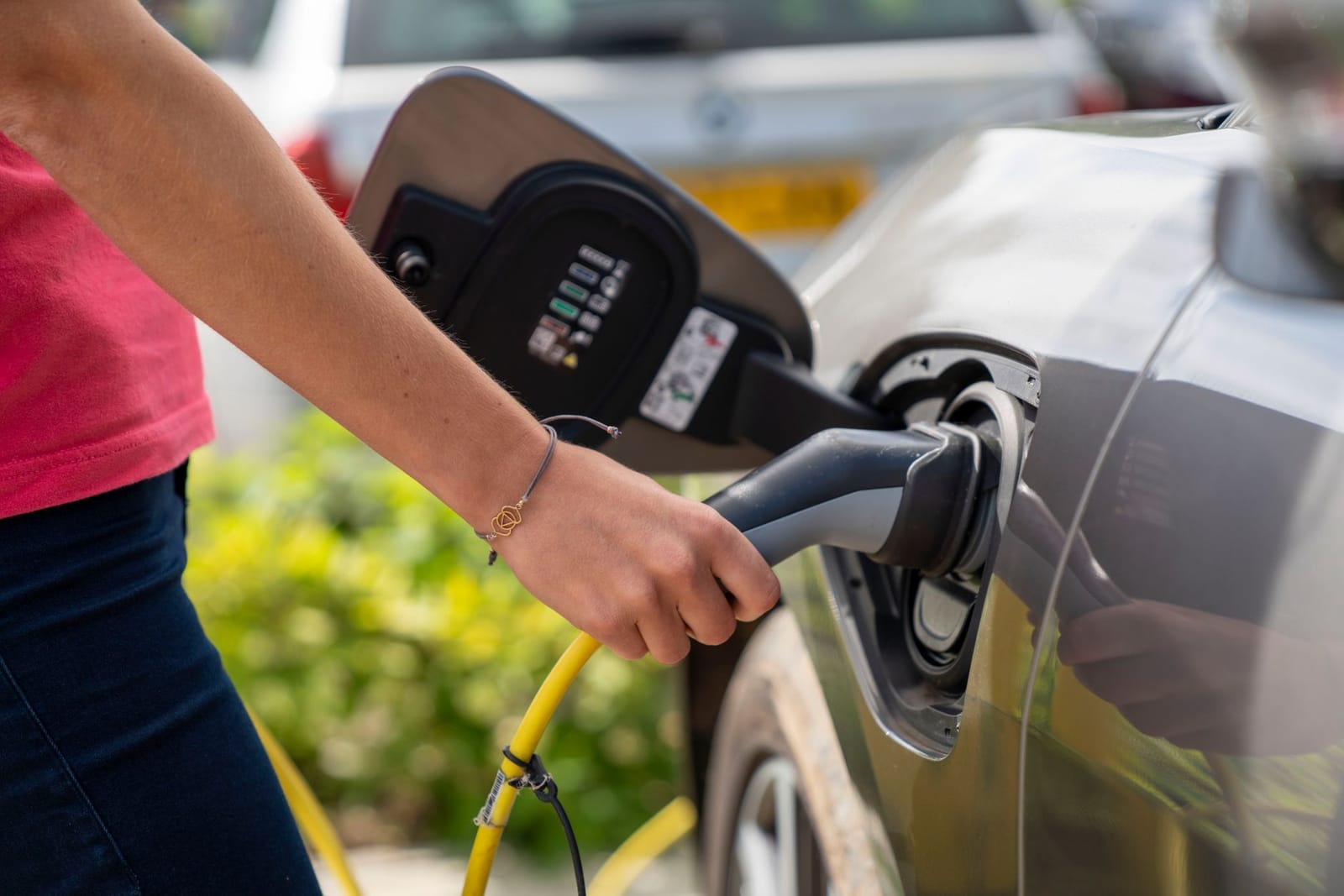
Chargepoints in the staff car park so employees top up while they work — the highest-volume, lowest-tariff business use case, and the one the government grant is built for.

Fleet & depot charging
Back-to-base overnight and rapid-turnaround charging for vans, HGVs, coaches and pool vehicles — sized to a duty cycle and grid connection, not to footfall.
Destination & customer charging
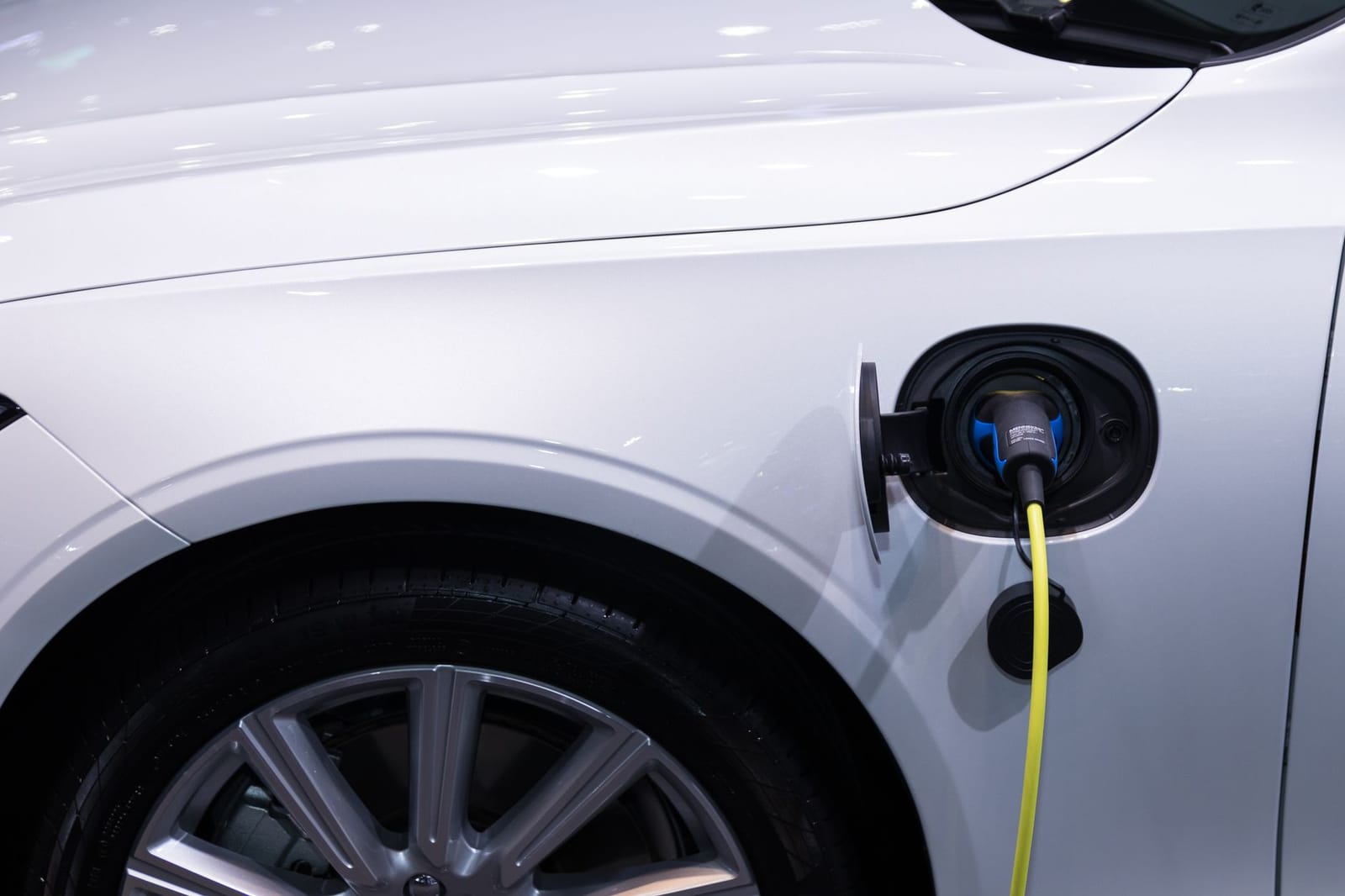
Chargers that pull in and keep customers at retail parks, restaurants, gyms and venues — dwell time turned into footfall and, usually, a paid revenue stream.
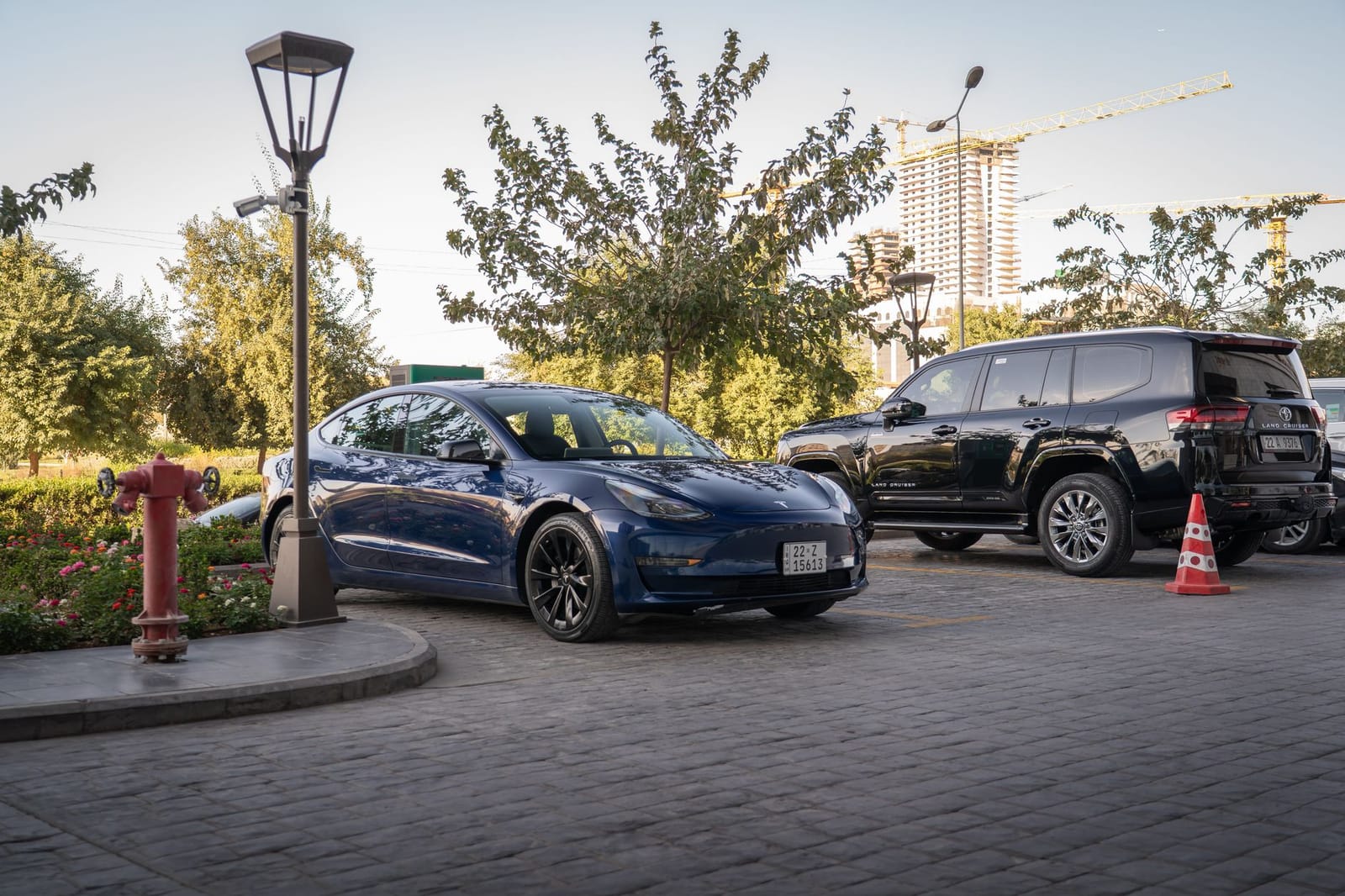
Landlord & commercial property
EV provision across let commercial estates, business parks and multi-tenant buildings — future-proofing the asset, meeting building-reg duties and passing cost to tenants.
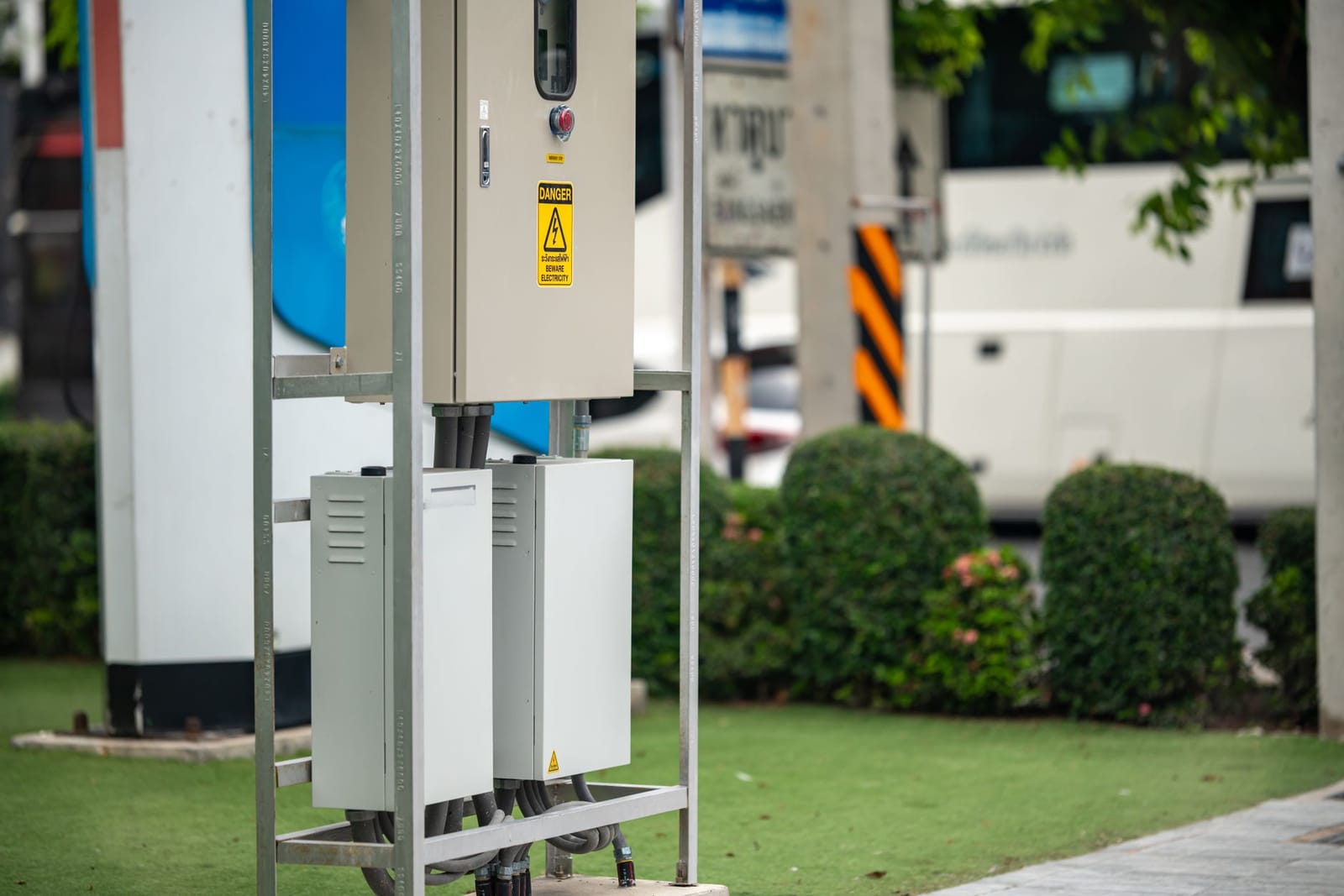
Hotels & visitor attractions
Overnight guest and day-visitor charging that wins bookings and review scores — a hybrid of destination dwell-time and near-fleet reliability expectations.
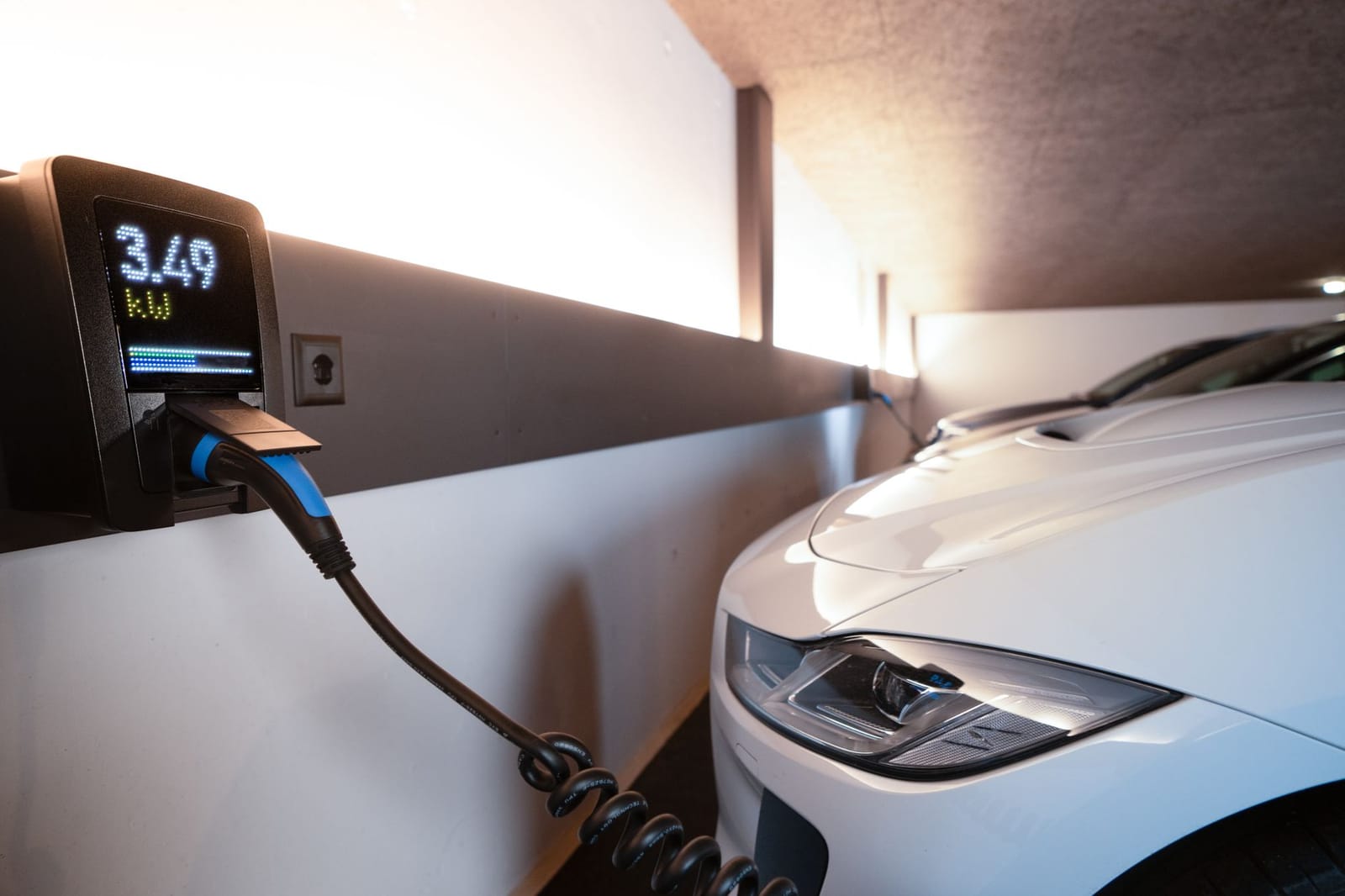
Car parks & public networks
Standalone, multi-storey and public-facing car-park charging run as a genuine paid network — the full deep-dive lives on our sibling site evchargersforcarparks.co.uk.
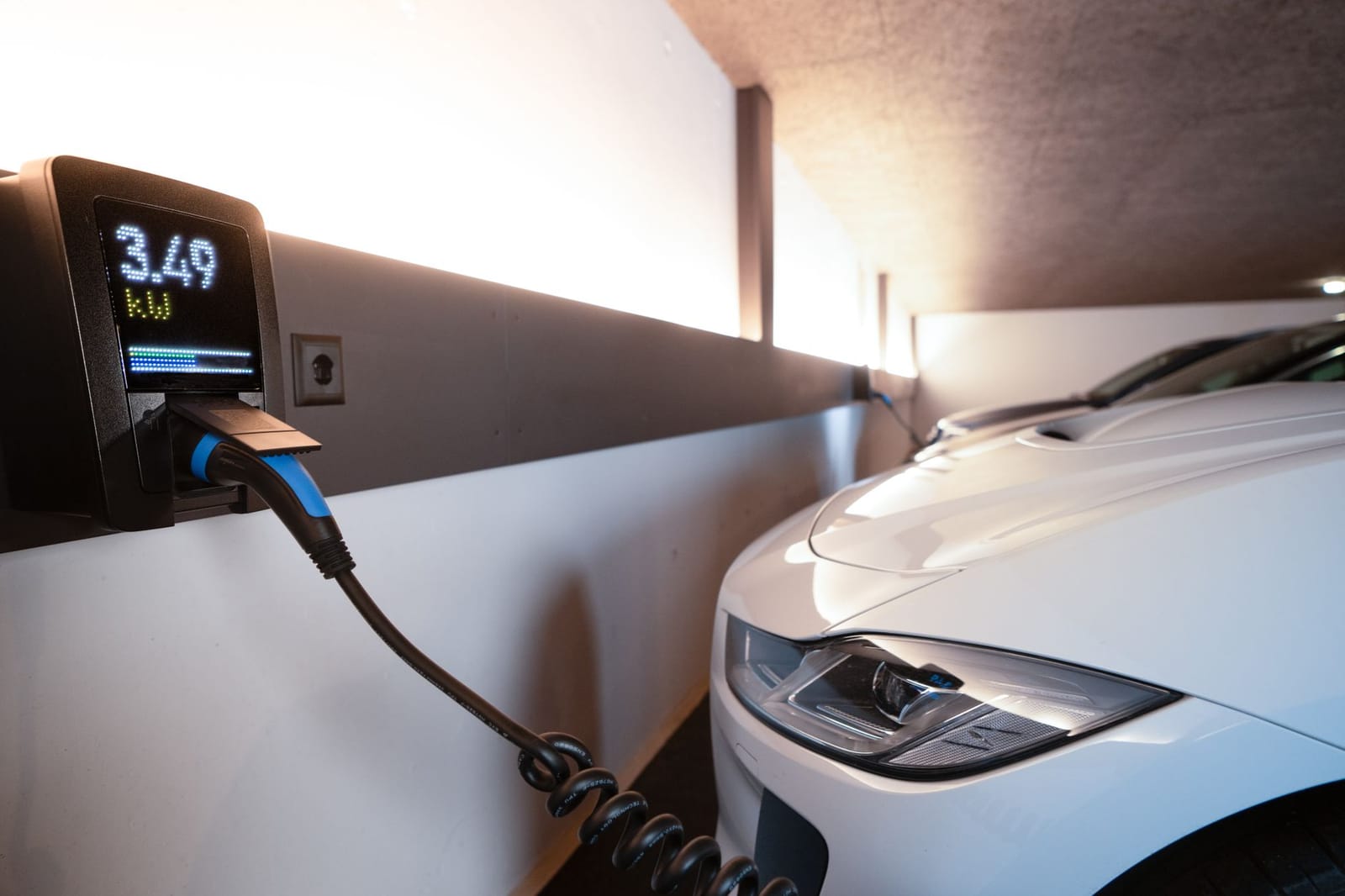
Electrifying a 24-van last-mile logistics depot (representative West Midlands project, 2026)
Single-storey distribution/last-mile depot: ~2,400 m2 warehouse plus office, secured yard, ~90 staff, running a 24-van delivery fleet transitioning from diesel to electric, plus ~12 employee/visitor bays. Supply upgraded to three-phase (~200A/phase). Because it is three-phase and total load exceeds 60A, a G99 application was submitted and DNO approval obtained BEFORE energising. Dynamic load management staggers the 24 overnight sockets within the headroom left by the depot's base load, so every van fully charges over the 10+ hour overnight window WITHOUT a costly grid reinforcement.
Independent EV specialist vs an energy supplier or general electrician
| Independent EV specialist (us) Charging is all we do | Energy supplier Sells you the electricity & its own kit | General electrician EV as a sideline | |
|---|---|---|---|
| Impartial charger & CPO advice | Sometimes | ||
| OCPP-open hardware (no lock-in) | Sometimes | Sometimes | |
| Load management to avoid a grid upgrade | Sometimes | ||
| Handles the DNO / G99 application | Sometimes | ||
| Claims the Workplace Charging Scheme grant | Sometimes | ||
| Current 2026 grant & tax advice | |||
| Transparent per-socket pricing | Sometimes |
Commercial EV charging installers across the UK
We install for businesses nationwide. Choose your area for local grid, council and net-zero context.
Birmingham
West Midlands. Birmingham City Council 2030 net zero.
Leeds
West Yorkshire. Leeds City Council 2030 net zero.
Sheffield
South Yorkshire. Sheffield City Council 2030 net zero.
Manchester
Greater Manchester. Manchester City Council 2038 net zero.
Liverpool
Merseyside. Liverpool City Council 2030 net zero.
Bristol
Bristol. Bristol City Council 2030 net zero.
Common questions from business buyers
The questions we hear most from facilities, fleet and finance teams.
How much do commercial EV chargers cost to install?
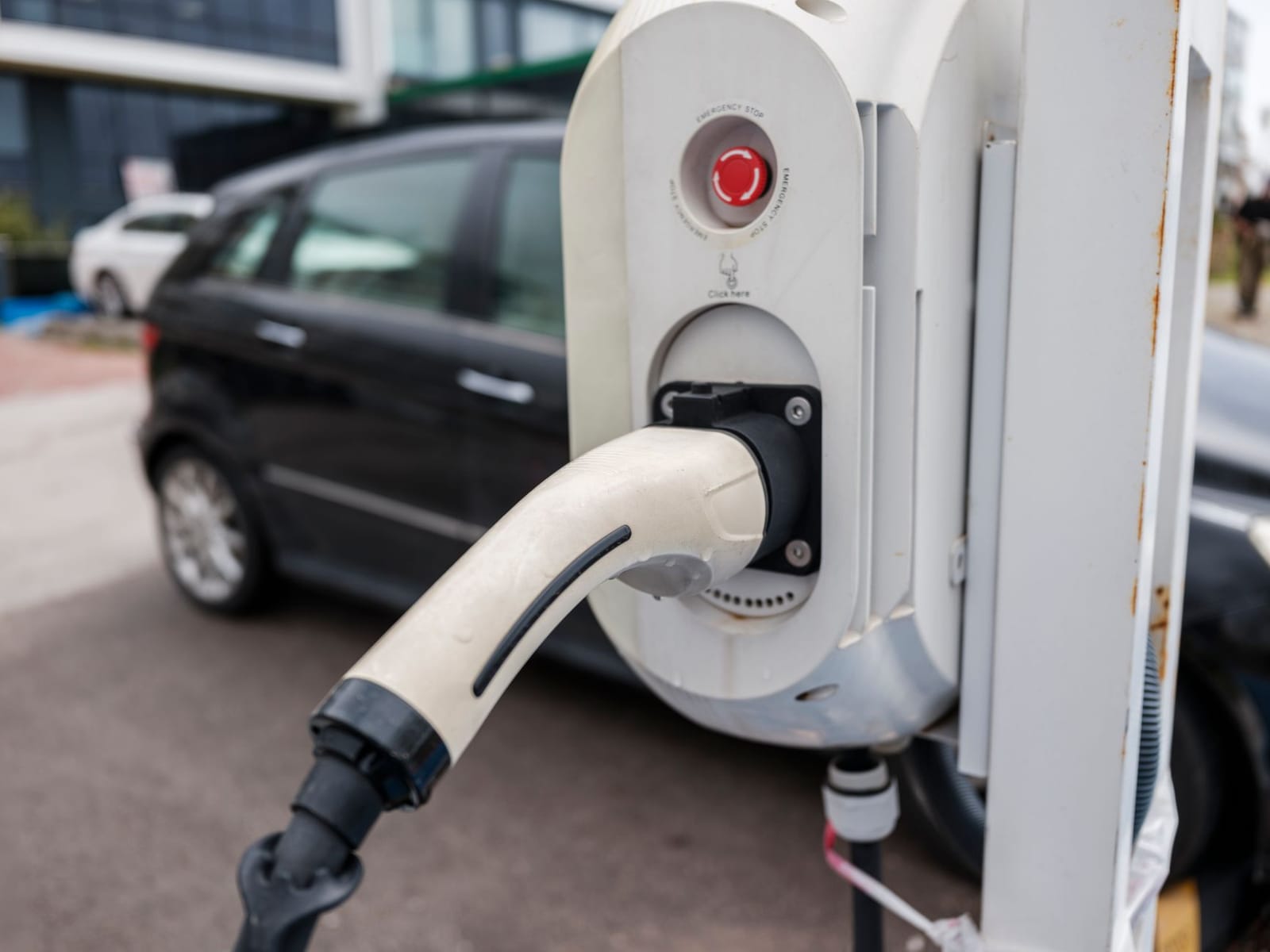
As a 2026 guide, a 7kW AC socket typically runs £800-£1,500 per bay installed, a 22kW AC unit £2,500-£4,500, and a 50kW DC rapid £25,000-£45,000. Groundworks, cabling and any supply upgrade sit on top. Crucially, the Workplace Charging Scheme cuts up to £500 per socket (from 1 April 2026) for up to 40 sockets, so always budget net of the grant.
What grants can my business get for EV chargers in 2026?
The main live scheme is the Workplace Charging Scheme (WCS): from 1 April 2026 it gives up to £500 per socket (raised from £350), covering 75% of the install cost, capped at 40 sockets, running to 31 March 2027. Van, HGV and coach depots can also use the Depot Charging Scheme (70%, up to £1m). The separate EV Infrastructure Grant for staff and fleets closed on 31 March 2026 — don't chase it.
WCS versus the EV Infrastructure Grant — what's the difference?
The WCS is a per-socket subsidy — up to £500 per socket, maximum 40 — toward the chargepoints themselves, open until 31 March 2027. The EV Infrastructure Grant for staff and fleets was broader (up to 75% of wider groundworks to £15,000 plus £500 per future-proofed space), but it closed to new applications on 31 March 2026. For most businesses in 2026, the WCS is the route to pursue.
Do I need a three-phase power supply?
It depends on charger power. A 7kW (32A) unit runs on a standard single-phase supply, which most smaller premises already have. A 22kW AC unit needs a three-phase (400V) supply, as do all DC rapid chargers. Many commercial sites already have three phase; if not, you either upgrade the supply or specify 7kW units with load management. Confirm your incoming supply type and spare capacity before choosing charger speed.
Will my electricity supply and DNO cope with new chargers?
Any multi-charger or three-phase install should be checked with your Distribution Network Operator (DNO) before you commit. A single small unit may only need 'connect and notify' (G98), but most commercial sites — three-phase, multiple sockets, or total demand over 60A — need a G99 application approved before the chargers are switched on, typically 5-65 working days. Load management often lets you add chargers within your existing supply and avoid a costly upgrade.
Should we install 7kW, 22kW or rapid chargers?
Match charger speed to how long vehicles park. 7kW AC suits all-day parking — staff, offices, hotels — adding roughly 25-30 miles per hour. 22kW AC suits 2-4 hour dwell where you have three-phase power, though most cars only accept 7-11kW AC so it's often no faster. DC rapid (50kW+) suits quick turnarounds — customer car parks, forecourts, fleet redeploys — but costs far more and needs a strong supply. Most workplaces are best served by banks of 7kW units.